



Navigate C-Store Coverage
Retailers managing convenience stores, or brokers placing coverage for them, face a wide spectrum of risks every day: extended hours, heavy foot traffic, food service, fuel sales, digital payments, and more. For brokers advising clients, a dedicated convenience store insurance program is essential to address these evolving exposures and deliver effective protection.
Because convenience stores combine multiple operational lines like retail product sales, food and beverage, possible fuel pumps, and self-service kiosks, their risk profile is more complex than standard retail. Understanding and placing the right insurance for convenience stores ensures clients stay protected and brokers remain trusted advisors.
 Who Needs Convenience Store Insurance?
Any retail location that sells consumer goods, food, or beverages should consider insurance for convenience stores. This includes:
- Independent convenience shops and mini-marts
- Franchise-operated convenience stores (7-Eleven, Circle K, etc.)
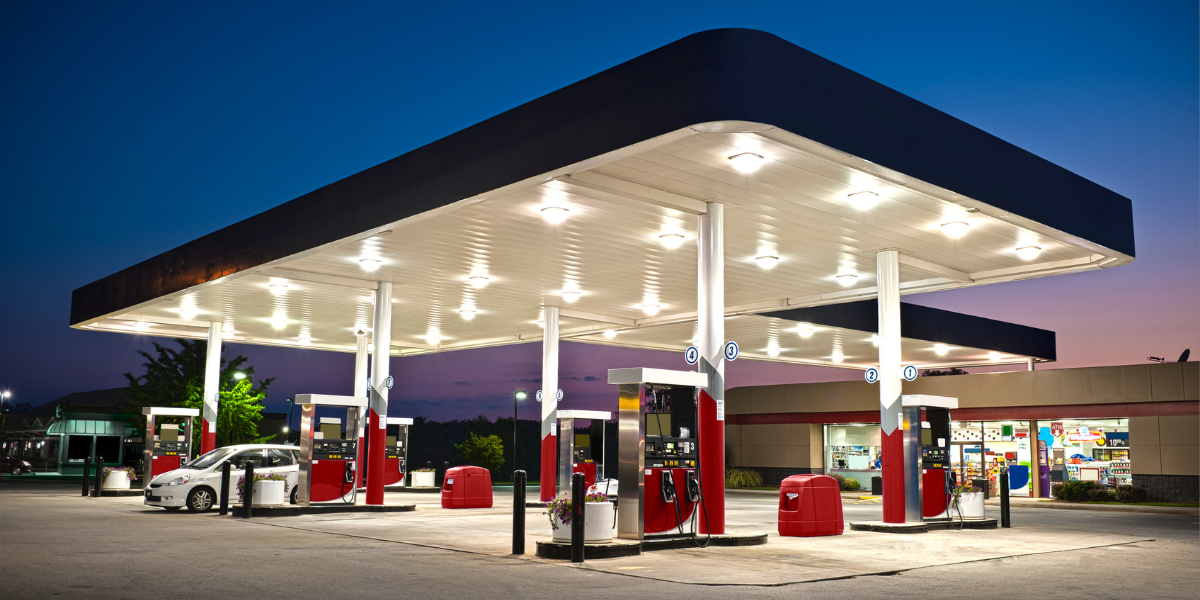
- Fuel station convenience stores
- Corner shops and neighborhood markets
- 24-hour or late-night operations
Even small stores face significant exposure. Because many convenience stores handle cash transactions, operate at late hours, and store perishable goods, the potential for property damage or theft can be high.
Key Exposures Addressed by Convenience Store Insurance Programs
A well-structured convenience store insurance program anticipates risks unique to the category:
- Robbery, theft, and internal shrinkage: High-volume cash transactions and late hours increase crime risk.
- Spoilage & equipment breakdown: Refrigeration failures or power outages can lead to major inventory losses.
- Liquor / product liability exposure: Selling alcohol, tobacco, or ready-to-eat food introduces additional regulatory and product risks.
- Cyber / payment system risks: Digital payments, loyalty programs, and kiosks increase vulnerability to data breaches.
- Environmental & fuel-related exposures: For stores with fuel sales, underground storage tanks and contamination risks drive higher premium requirements.
Brokers should evaluate these exposures during submission, ask about store operations, fuel or food components, delivery services, and rapidly evolving risk factors.
Current & Emerging Trends in Convenience Store Insurance
The convenience store insurance market is evolving quickly, influenced by technology, consumer behavior, and operational disruption. Here are key trends brokers should monitor:
- Digital Risk & Cyber Liability Growth: As more convenience stores implement self-checkout, contactless payment, and delivery apps, cyber exposure is elevated. Policies must include cyber liability, data breach response, and payment system interruption.
- InsurTech & Analytics in Underwriting: Insurers and program markets are using predictive analytics, IoT sensors, and real-time risk data to tailor quotes and classify risk more dynamically.
- Fuel & Food Service Convergence: Many convenience stores now combine fuel sales, food service, grocery items, and delivery, creating hybrid exposures that standard retail coverages may not handle. This drives demand for expanded endorsements and higher limits.
- Location & Crime-Driven Risk Segmentation: Stores in high-crime zones or serving "hard-goods" like alcohol, tobacco, or vaping face elevated risk premiums or non-renewals. Brokers must be aware of carrier appetite shifts.
- Environmental & Fuel-Tank Exposure: Expansion of fuel-sale operations within convenience stores means environmental liability, UST risks, and regulatory compliance are increasingly pushing premium costs.
For brokers placing coverage, staying ahead of these trends and educating clients about risk mitigation, online payments, stronger security, and maintenance programs lead to better submittals and improved terms.
 What's Not Covered & Program Gaps
Even well-designed policies may leave gaps if not tailored to the convenience store context:
- Intentional acts or internal employee dishonesty may require separate crime or fidelity coverage.
- Flood, earthquake, or environmental contamination losses may require specialty policies or endorsements.
- Foodborne illness or recall exposures often need product liability or specialty food service endorsements.
- Standard liability may exclude liquor liability or delivery-auto exposures unless specifically included.
Retail brokers should ask clients for operations summaries, endorsement lists, and check whether the convenience store insurance program supports these extensions.
Placing Convenience Store Insurance with Novatae
Novatae specializes in convenience store insurance programs designed for retail brokers. Our offering includes:
- Dedicated industry underwriting expertise in convenience retail and fuel operations
- Program access to A-rated carriers with broad coverage options and flexible terms
- Tailored solutions from independent stores to multi-location operations, including hot food, alcohol, and delivery services
- Advising brokers on risk mitigation, submission preparation, and appropriate endorsements
With Novatae as your wholesale partner, brokers can confidently place convenience store risks knowing they have access to carriers that understand the unique exposures of this sector.
This article is not intended to be exhaustive, nor should any discussion or opinions be construed as legal advice. Readers should contact legal counsel or an insurance professional for appropriate advice.
About the Author

Insights
- Retail Brokers vs Wholesale Brokers: What Insurance Agents Need to Know
- MGA and Wholesale Insurance Broker: Understanding the Difference (and the Overlap)
- Wholesale Insurance for the Construction Industry: A Guide for Retail Agents
- Distributor Insurance: Understanding Coverage Needs in a Shifting Supply Chain Landscape
- Equine Mortality Insurance: What Retail Agents Should Know
- Excess Flood Insurance: What Agents Should Know
- Wind Deductible Buy Backs: What Retail Agents Should Know
- EIFS Insurance: What Agents Should Know
- Navigating Professional Liability in the Healthcare Space: What Retail Brokers Need to Know
- Insurance for Renewable Energy Projects: What You Need to Know
- What is an Umbrella Insurance Policy?
- What is Animal Mortality Insurance?

.png)
.png)
