



Essential Insights
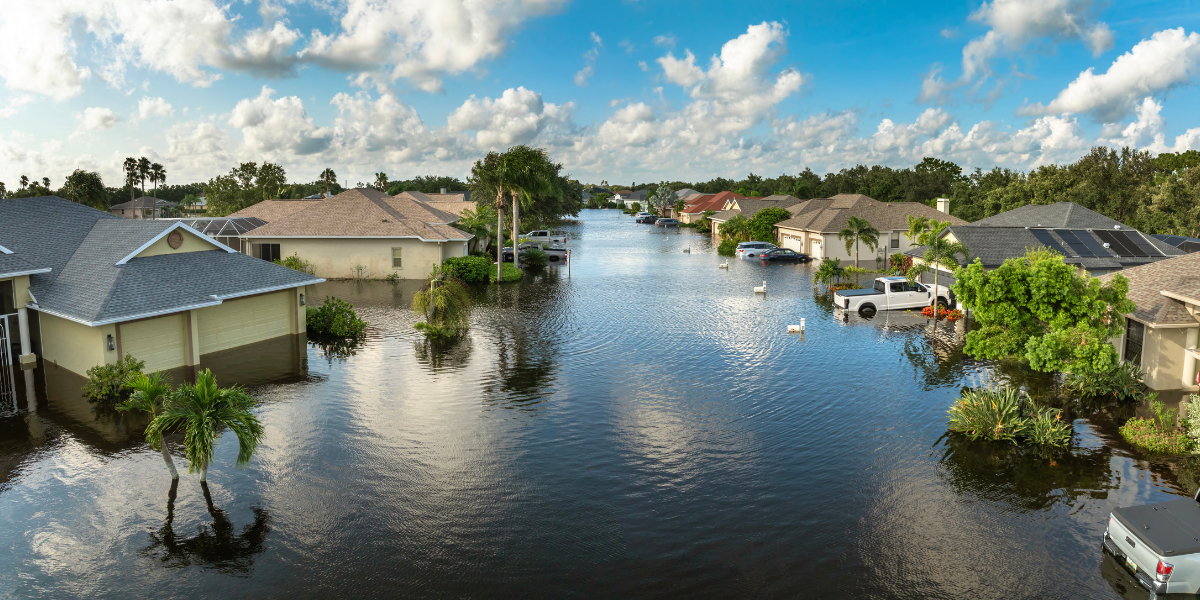
Flood risk is increasing across the United States due to stronger storms, rising sea levels, and development in flood-prone areas. While many property owners rely on policies issued through the National Flood Insurance Program (NFIP), those policies often provide limited coverage compared to the true value of a property.
That gap is where excess flood insurance comes in.
For insurance agents working with higher-value homes, commercial properties, or clients in coastal and flood-prone regions, understanding how an excess flood policy works can help ensure adequate protection and avoid costly coverage gaps.
This guide explains what excess flood insurance is, when it's needed, and how agents can structure these policies for their clients.
 What Is Excess Flood Insurance?
Excess flood insurance is a policy designed to provide additional flood coverage above the limits offered by a primary flood policy, typically one issued through the NFIP.
Standard NFIP policies currently provide maximum limits of:
- $250,000 for residential building coverage
- $100,000 for residential contents
- $500,000 for commercial building coverage
- $500,000 for commercial contents
For many properties—especially commercial buildings, multifamily housing, or high-value homes—these limits may fall far short of replacement costs.
An excess flood policy provides additional protection by:
- Increasing available coverage limits
- Expanding certain coverage features
- Filling gaps left by primary flood policies
These policies are typically written through surplus lines carriers and accessed through wholesale distribution.
When Clients May Need Excess Flood Coverage
Not every property requires excess coverage, but certain scenarios make it especially important. Agents may want to explore excess flood insurance when clients have:
High-Value Residential Properties
Luxury homes often exceed NFIP structural limits. A home valued at $1 million or more could face significant uninsured losses if flood damage occurs.
Commercial Properties
Large buildings, office complexes, warehouses, and retail centers often require commercial excess flood insurance to protect their full property value.
Multifamily Housing
Apartment buildings and condominium complexes frequently exceed NFIP limits and require additional coverage layers.
Coastal or Hurricane-Prone Locations
Properties located along the coast or in hurricane-exposed regions often carry higher flood risk and greater reconstruction costs.
Lender Requirements
Some lenders require higher flood limits than the NFIP provides, making an excess layer necessary to close financing requirements.
How an Excess Flood Policy Works
An excess flood policy sits above a primary flood policy and activates once the underlying limits are exhausted. A typical structure may look like this:
|
Coverage Layer |
Example Limit |
| Primary flood policy (NFIP) | $250,000 |
| Excess flood policy | $750,000 |
| Total flood coverage | $1,000,000 |
In this example:
- The NFIP policy pays the first $250,000 of covered losses
- The excess flood insurance policy covers losses above that amount, up to its limit
Depending on the carrier, excess policies may also offer:
- Higher total coverage limits
- Replacement cost options
- Coverage for additional property types
- Flexible deductibles
 Commercial Excess Flood Insurance Considerations
For commercial accounts, commercial excess flood insurance often plays a key role in overall catastrophe planning.
Commercial properties may require excess flood coverage because of:
- Higher property valuations
- Larger building footprints
- Increased business interruption exposure
- More complex lender requirements
Agents should also consider how flood interacts with other catastrophe coverages in a property program, particularly when working with layered property placements.
In many cases, excess flood is written alongside excess property layers within a broader catastrophe strategy.
Key Coverage Details Agents Should Review
When placing an excess flood policy, it's important to evaluate several policy details carefully.
Attachment Points
Confirm the underlying policy limit that the excess layer sits above.
Deductibles
Excess flood policies may include their own deductibles or follow the primary policy structure.
Coverage Differences
Some excess policies may broaden coverage compared to NFIP policies, while others strictly follow the underlying terms.
Waiting Periods
Many flood policies include waiting periods before coverage becomes effective.
Surplus Lines Placement
Because most excess flood insurance is written through surplus lines markets, agents should understand applicable state requirements and disclosures.
How Wholesale Brokers Help Place Excess Flood Coverage
Excess flood insurance is typically accessed through wholesale distribution channels.
Wholesale brokers help retail agents by:
- Identifying carriers willing to write flood risk
- Structuring layered coverage programs
- Navigating surplus lines requirements
- Negotiating terms for complex properties
This collaboration becomes especially valuable for large commercial risks, coastal exposures, or difficult placements.
Helping Clients Close the Flood Coverage Gap
Flood losses remain one of the most expensive catastrophe exposures for property owners. Yet many policies still leave significant gaps between available coverage limits and actual property values.
By understanding how excess flood insurance works, agents can better protect clients with high-value homes, commercial buildings, and multifamily properties.
Working with a knowledgeable wholesale partner can help agents structure the right combination of primary and excess flood policies to ensure clients are fully protected when flood events occur.
This article is not intended to be exhaustive, nor should any discussion or opinions be construed as legal advice. Readers should contact legal counsel or an insurance professional for appropriate advice.
About the Author

Insights
- Retail Brokers vs Wholesale Brokers: What Insurance Agents Need to Know
- MGA and Wholesale Insurance Broker: Understanding the Difference (and the Overlap)
- Wholesale Insurance for the Construction Industry: A Guide for Retail Agents
- Distributor Insurance: Understanding Coverage Needs in a Shifting Supply Chain Landscape
- Equine Mortality Insurance: What Retail Agents Should Know
- Excess Flood Insurance: What Agents Should Know
- Wind Deductible Buy Backs: What Retail Agents Should Know
- EIFS Insurance: What Agents Should Know
- Navigating Professional Liability in the Healthcare Space: What Retail Brokers Need to Know
- Insurance for Renewable Energy Projects: What You Need to Know
- What is an Umbrella Insurance Policy?
- What is Animal Mortality Insurance?

.png)
.png)
